Forget everything you think you know about keeping your Fort Worth home cool.
Because when your AC struggles in this Texas heat, you’re not just uncomfortable—you’re secretly losing money every single day.
Most homeowners simply react when their system breaks down, never realizing the simple, hidden truths that can prevent those catastrophic meltdown moments and keep hard-earned cash in their pocket.
We’re pulling back the curtain on the real strategies Fort Worth residents use to truly beat the summer heat, year after year.

The Silent Saboteurs: Why Your Fort Worth AC Really Fails (And Costs You Big)
Most Fort Worth homeowners think their AC just "gives out" one sweltering August afternoon. The truth is far more insidious. Your system is likely battling hidden enemies right now, slowly strangling its performance and silently picking your pocket.
These aren't dramatic explosions or smoking wires. They are the subtle, everyday breakdowns of neglect that lead to a sudden, expensive emergency when you least expect it.
The Sneaky Culprits Draining Your Wallet:
Filthy Coils: Imagine trying to breathe through a thick blanket. That’s what a layer of dust and grime does to your outdoor condenser coil. It forces your AC to work harder, consuming more electricity and shortening its lifespan.
Low Refrigerant (The Slow Leak): This isn't just about needing a "top-up." A leak means your system is bleeding out its lifeblood. It struggles to cool, wastes energy, and can eventually seize the compressor – a repair bill that’ll make you sweat more than the heat.
Clogged Drain Lines: A minor blockage can cause water to back up, leading to mold growth, water damage, and even shutting down your entire system as a safety measure. It's a small problem with potentially huge consequences.
These aren't just technical glitches; they are financial black holes. Every day one of these silent saboteurs operates unchecked, you're paying more for less comfort.
Understanding these underlying issues is the first step to truly beating the Fort Worth heat and keeping your energy bills from skyrocketing.
Decoding Your AC's Whispers: Early Warning Signs You Can't Afford to Ignore
Your AC unit is constantly communicating with you, Fort Worth homeowner. It’s sending out subtle signals, whispers of trouble before a full-blown breakdown hits. Ignoring these early warnings isn't just uncomfortable; it's a direct path to those catastrophic, expensive failures we talked about.
Most people wait until the air stops blowing entirely. That's a costly mistake. Instead, learn to decode these crucial messages. By recognizing the signs early, you can avoid emergency repairs and keep more of your hard-earned cash where it belongs: in your pocket.
Listen Up: The Sounds of Trouble
When your AC is running smoothly, you should barely notice it. But when it starts making noise, pay attention. Don't dismiss a strange sound as "just the AC being old."
- Grinding or Squealing: This often points to problems with the motor's bearings, which can seize up and cause compressor failure if ignored. That's a major repair bill.
- Banging or Clanking: Could be a loose part or an issue with the compressor itself. Again, not something to ignore.
- Hissing: A potential refrigerant leak. This not only impacts cooling but is also an environmental concern and can damage the system over time.
Sniffing Out Issues: What Your AC is Telling You
Beyond sounds, your nose can also be an excellent diagnostic tool. Unusual odors coming from your vents mean something is definitely amiss.
- Musty or Mildew Smell: This often signals moisture buildup in the system, which can lead to mold growth in your ducts. Not only does this reduce air quality, but it can also cause health problems and require expensive duct cleaning.
- Burning Odor: This is a serious red flag. It could indicate an electrical problem, an overheated motor, or even something burning on the heat exchanger. Turn off your unit immediately if you smell burning.
The Performance Drop: Subtle But Significant
Sometimes, the signs are less dramatic but just as crucial. A drop in performance isn't just uncomfortable; it's a drain on your wallet.
- Weak Airflow: If air isn't blasting out like it used to, it could be a clogged filter (easy fix!) or, more seriously, a problem with the blower motor or ductwork.
- Warm Air: This one's obvious, but often ignored for too long. If your AC is blowing warm air, it's not doing its job. This could be due to low refrigerant, a failing compressor, or even a thermostat issue.
- Higher Energy Bills: Your AC is working harder than it should to achieve the same cooling. This is the ultimate "secret cost" that hits you every month. If your bill jumps without a corresponding increase in usage, your AC is screaming for help.
Ignoring these warnings is a gamble you don't want to take in a Fort Worth summer. These 'whispers' are your chance to save thousands.
Beyond the Filter: The Essential Proactive Maintenance Fort Worth Homes Need
Sure, changing your air filter regularly is non-negotiable—it's like breathing for your AC. But in Fort Worth, where the heat doesn't play nice, simply swapping out a dirty filter is just the tip of the iceberg. You’re leaving money on the table, and worse, inviting a breakdown if you stop there.
True proactive maintenance is about extending your system’s life and keeping energy bills from skyrocketing. It's the difference between merely existing through summer and truly conquering it. Ignored components become weak links, costing you dearly when they snap.
Beyond the Basics: What Your AC Truly Needs
-
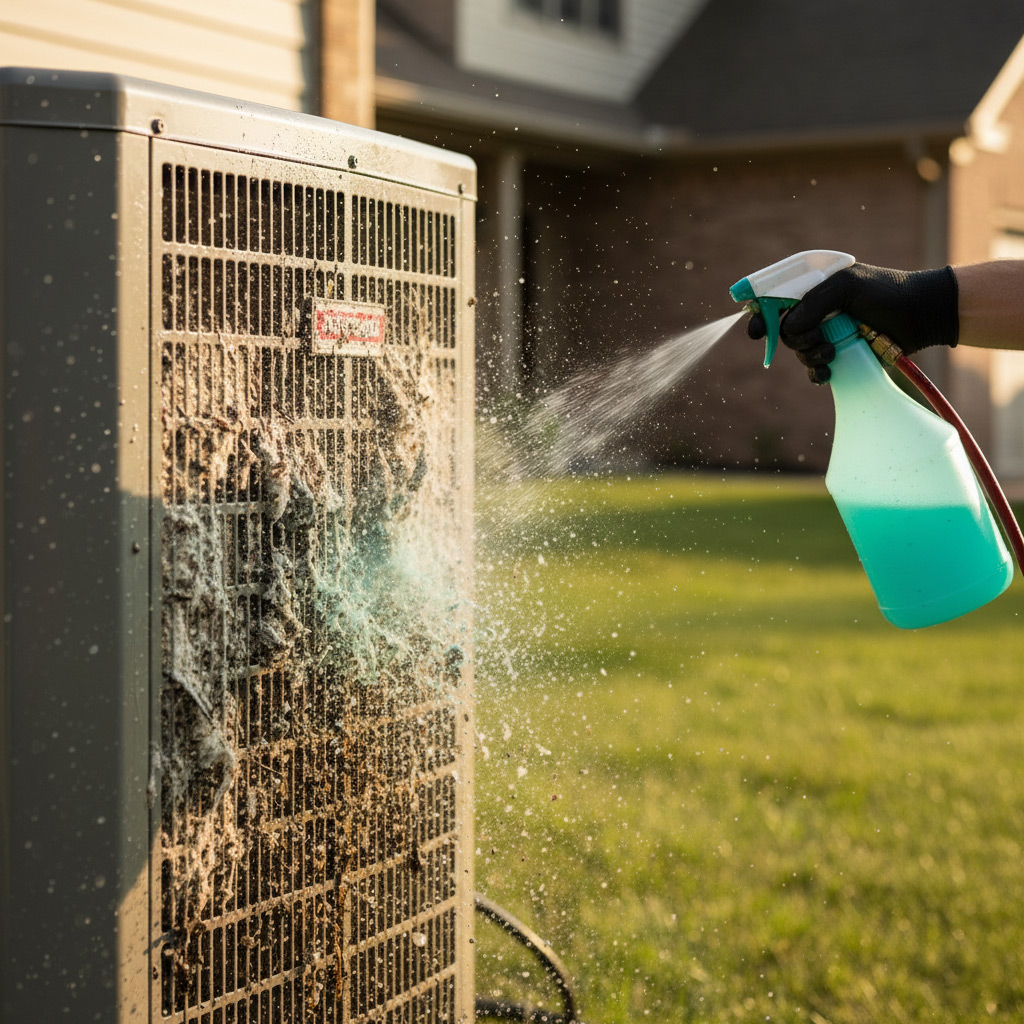
Clean Coils: Your evaporator and condenser coils are critical for heat exchange. When they get caked with dirt and grime, your AC has to work harder, gobbling up more electricity and wearing itself out faster. This is a common silent killer for Fort Worth units.
-
Clear Drain Lines: Algae and sludge love to grow in the condensate drain line, especially in our humid climate. A clogged line can cause water damage, high indoor humidity, and even shut down your whole system. Don't let a small clog become a big, wet headache.
-
Tight Electrical Connections: Loose wiring can cause voltage drops, component failure, and even fire hazards. A professional check ensures everything is snug and safe, preventing costly replacements down the line.
-
Proper Refrigerant Levels: This isn't something you can eyeball. Too little or too much refrigerant throws off the entire cooling process, reducing efficiency and putting immense stress on the compressor—the heart of your AC. Only a certified technician can verify this crucial balance.
Think of it like this: your AC is an investment battling brutal Texas summers year after year. Skipping these deeper maintenance steps isn't saving money; it's a direct path to premature system failure and unexpected, massive repair bills. A comprehensive annual tune-up isn't an expense, it's fortress-level protection for your comfort and your wallet.
The "Fix-It-Now" Fallacy: When DIY Becomes Your Most Expensive Mistake
In the relentless Fort Worth heat, the temptation to "just fix it myself" when your AC sputters is a strong one. You see a quick video, read a forum, and think you can save some cash. But here’s the cold, hard truth: your air conditioner isn't a leaky faucet. It's a complex, high-voltage system with precise refrigerant levels and intricate electrical circuitry. One wrong move, one misdiagnosed hum, and you’re not just potentially out a few bucks; you could be staring down a bill for a complete system replacement.
This isn't about shaming; it's about protecting your investment. Attempting DIY repairs often leads to a cascade of costly errors:
- Improper Diagnosis: You fix the symptom, not the root cause. The real problem festers, leading to catastrophic failure later.
- Voided Warranties: Most manufacturers' warranties become null and void if an unlicensed individual attempts repairs. Goodbye, protection!
- Electrical Hazards: High voltage components can cause serious injury or even fires if mishandled. This isn't just about money; it’s about safety.
- Costlier Repairs Down the Line: What starts as a simple component fix often escalates when incorrect parts are installed or adjustments are made that throw the entire system out of balance. You end up paying a professional more to undo your "fix" and then actually solve the original issue.

Case Study: Rescuing a Fort Worth Home from the Summer Squeeze (Before It Was Too Late)
Take the case of Sarah, a homeowner in Tanglewood, Fort Worth. She noticed her upstairs felt warmer than usual, even with the AC running constantly. Her first thought was a simple filter change, but the slight humming noise from her outdoor unit lingered, a subtle hint that something more was brewing.
Most folks would crank the thermostat lower and hope for the best, unknowingly pushing their system closer to a full-blown meltdown. But Sarah remembered hearing about early warning signs and decided to call us before the heat truly intensified.
Our technicians arrived and quickly identified the root cause: a failing capacitor and a severely dirty condenser coil. The capacitor, a small but mighty component, was struggling to start the compressor efficiently, making the system work overtime. The grimy coil, clogged with Fort Worth pollen and dust, was preventing proper heat exchange.
What looked like minor performance issues were actually symptoms of a system under immense stress, silently hiking up her energy bills and speeding towards an inevitable, costly compressor failure. This isn't just about comfort; it's about preventing a four-figure repair bill.
We replaced the capacitor, meticulously cleaned the condenser coil, and performed a comprehensive tune-up. The result? Her upstairs cooled down significantly, her energy bills stabilized, and the ominous hum vanished. Sarah avoided a mid-summer emergency breakdown and saved hundreds, potentially thousands, in future repair costs.
It’s a prime example of how listening to your AC’s "whispers" and acting promptly can make all the difference between a minor fix and a major financial headache in the Fort Worth heat.
The Fort Worth Advantage: Choosing an AC Repair Partner Who Knows Our Heat
When your AC goes out in Fort Worth, you need more than just a technician; you need a partner who genuinely understands what our Texas summers demand. Our intense heat and relentless humidity are unique stressors that can overwhelm even the toughest systems. A company without deep local experience might fix the immediate problem but miss the underlying issues specific to our climate.
Think about it: generic fixes from a big, out-of-town chain might not account for the extreme attic temperatures common here, or the way our soil shifts can impact outdoor units. An expert Fort Worth AC repair team knows these nuances. They recommend solutions and perform repairs designed to withstand our specific brand of summer misery, not just a universal standard.
This local insight translates directly into more reliable repairs and longer-lasting comfort for your home. It’s about more than just swapping parts; it’s about a comprehensive approach that considers your entire home's thermal envelope and how it battles our famous Fort Worth swelter. You deserve an AC partner who truly gets it.
Final Words: Keeping Your Cool (And Your Cash) All Season Long.
You’ve seen the hidden pitfalls and the costly mistakes Fort Worth homeowners often make with their AC systems. This isn’t just about fixing a broken unit; it’s about understanding the true value of your comfort and protecting your hard-earned money from unnecessary drain.
The secret isn't a magic button or a revolutionary new gadget. It’s a commitment to smart, proactive care and choosing the right partners who genuinely understand our brutal Texas climate. Don't wait for your system to give up the ghost during a heatwave.
Take control of your home’s climate and your finances. Invest in knowledge, invest in timely inspections, and partner with Fort Worth’s trusted AC repair specialists who keep your cooling running strong. Your summer comfort (and your wallet) will thank you.
People Also Ask
What are the most common reasons AC units fail in Fort Worth's heat?
The intense Fort Worth summer often strains AC systems, leading to common failures such as refrigerant leaks, clogged condensate drains, dirty evaporator or condenser coils, and fan motor issues. These problems are frequently exacerbated by a lack of consistent maintenance, causing units to work harder and break down faster.How often should I have my AC system professionally maintained in Fort Worth?
For optimal performance and to prevent unexpected breakdowns during Fort Worth's scorching summers, it's highly recommended to have your AC system professionally serviced at least once a year. Scheduling maintenance in the spring ensures your unit is ready to handle peak demand, improving efficiency and extending its lifespan.What are the early warning signs that my Fort Worth AC needs professional repair?
Watch for indicators like unusual noises (grinding, hissing), weak airflow from vents, inconsistent cooling throughout your home, or a noticeable increase in your energy bills. Any strange odors, pooling water around the unit, or frequent cycling on and off are also critical signs that warrant a professional inspection.When should I call an expert for AC repair versus attempting a DIY fix?
You should always call a professional for any AC issues beyond simple tasks like changing air filters or resetting a tripped circuit breaker. Complex problems such as refrigerant leaks, electrical malfunctions, strange sounds, or a complete loss of cooling require specialized tools, training, and experience to diagnose and repair safely.What should I look for when choosing an AC repair company in Fort Worth?
Seek out a company with strong local experience in Fort Worth's specific climate, certified and insured technicians, transparent pricing, and a solid track record of positive customer reviews. Ensure they offer comprehensive services, including emergency repairs, and prioritize reliable, long-term solutions for your home comfort.
Fort Worth HVAC brings extensive experience in heating and cooling systems to properties across the city. Their team of specialists is dedicated to providing effective climate control solutions for the Fort Worth, TX community.
Need HVAC?
We provide efficient solutions and rapid results for clients throughout Fort Worth and its surrounding communities (76102, 76107, 76109, 76132).
Request a Detailed Quote