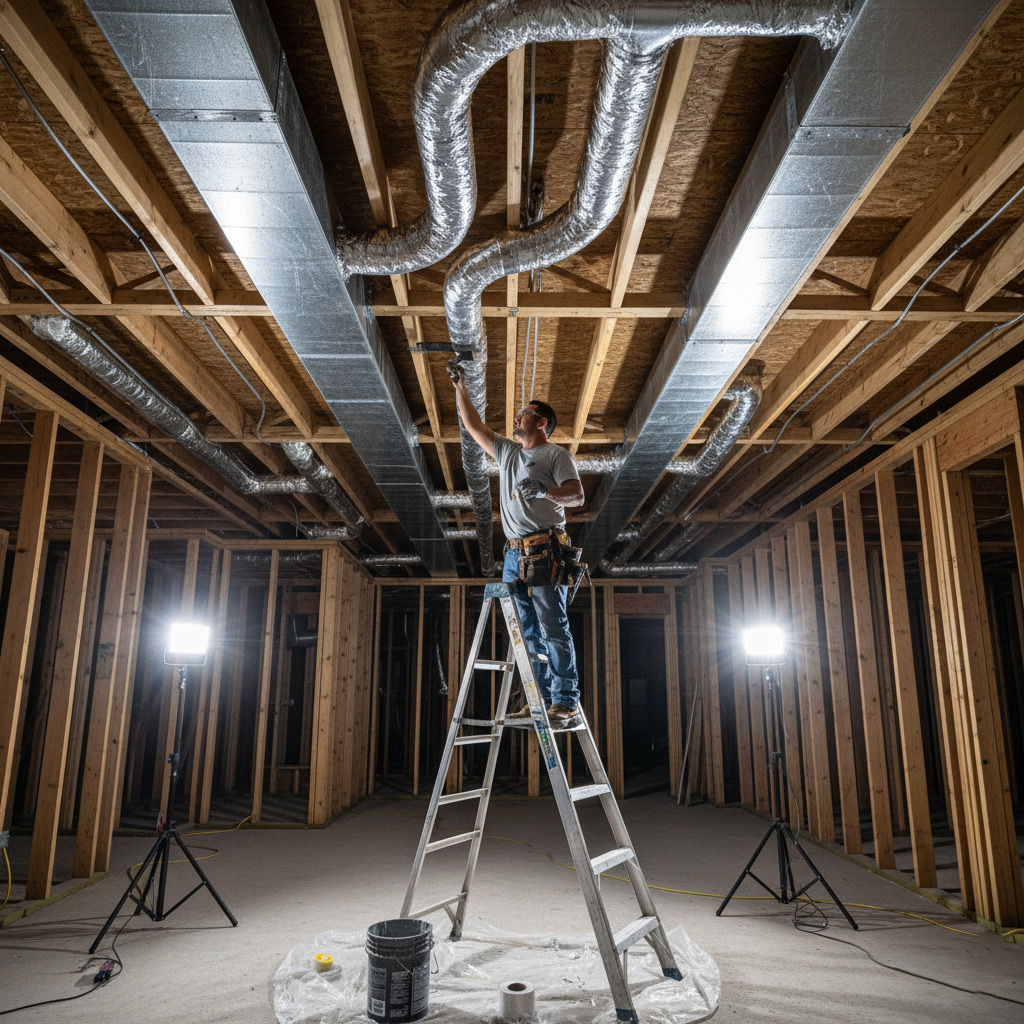
Imagine this: It’s Monday morning, you’re half-asleep, stepping into what should be a hot, invigorating shower. Instead, you get a shock of icy water. That sudden blast of cold isn't just unpleasant; it ruins your whole day before it even starts.
A failing water heater in Fort Worth isn't just an inconvenience; it's a household crisis. From scrubbing dishes to washing clothes, every task that relies on hot water grinds to a halt, leaving you feeling frustrated and stuck. You need a fix, and you need it fast.
So, if you're wondering why your hot water went AWOL and what steps you can take right now to restore comfort, keep reading.
Why Your Hot Water Went AWOL: Common Fort Worth Water Heater Issues
That sudden cold shower isn't just bad luck; it’s usually a clear signal from your water heater that something’s not right. In Fort Worth, many homeowners face similar culprits when their hot water decides to take a vacation. Understanding these common issues is the first step toward getting your comfort back.
The Usual Suspects Behind No Hot Water
Often, the problem boils down to a few key areas within your water heater system. It could be something straightforward, or it might point to a bigger underlying problem that needs a professional eye. Here are the main reasons you might be left in the cold:
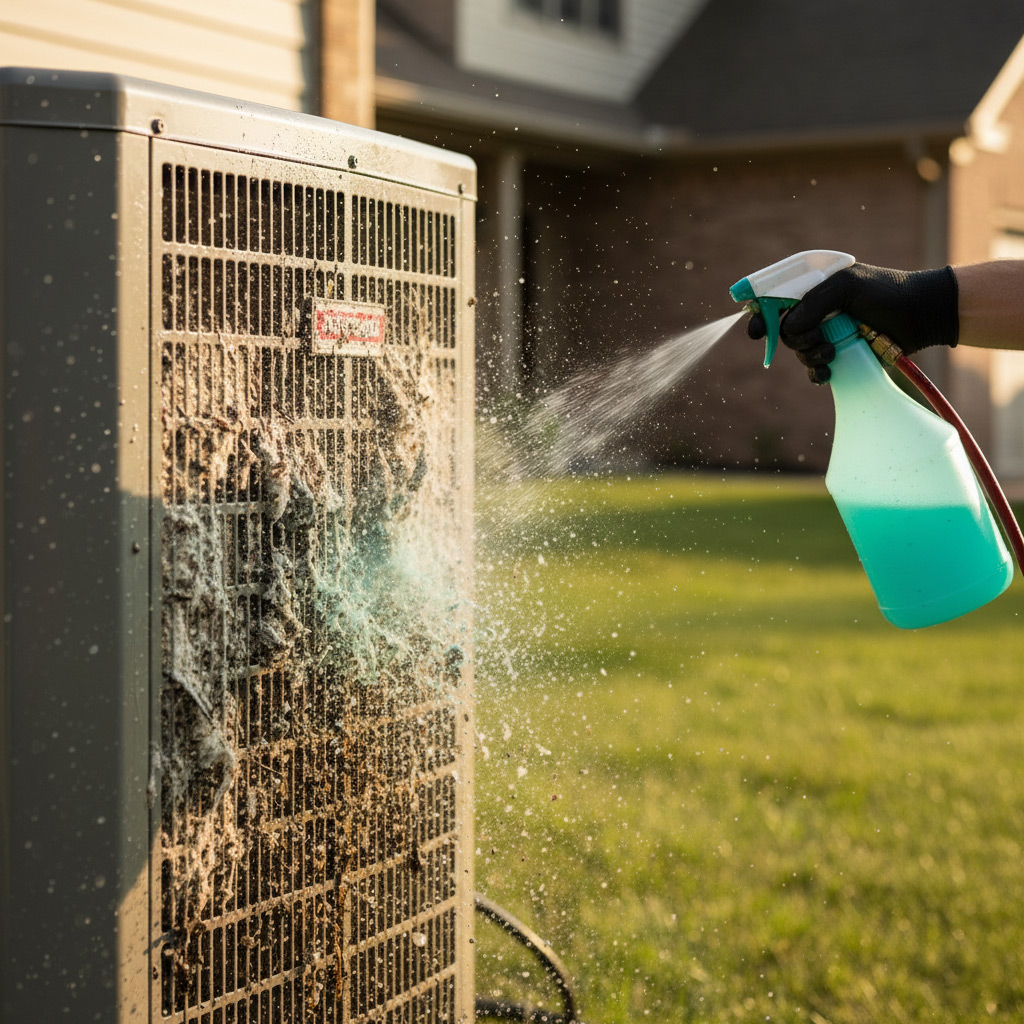
- Sediment Buildup: Fort Worth, like many Texas cities, has its share of hard water. Over time, minerals in this water can accumulate at the bottom of your water heater tank, forming a thick layer of sediment. This acts as an insulator, making your unit work harder and less effectively, ultimately reducing hot water supply or causing complete failure. It's like trying to boil water in a pan with a blanket under it.
- Faulty Thermostat or Heating Element: For electric water heaters, a malfunctioning thermostat won't accurately read the water temperature, leading to inconsistent or no hot water. Similarly, a burnt-out heating element means the water simply isn't getting heated. Gas water heaters can suffer from a pilot light issue or a faulty thermocouple, which prevents the burner from igniting.
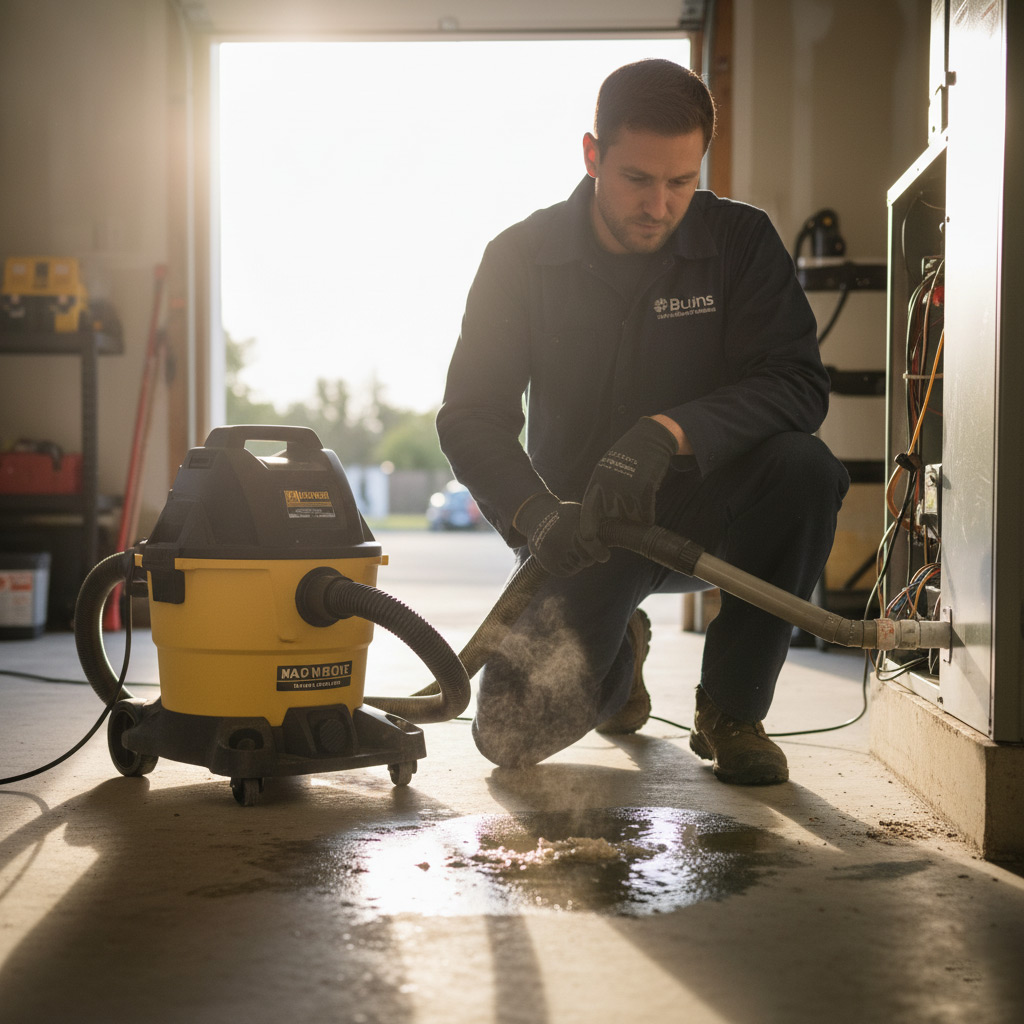
- Tank Leaks: This is often the most dreaded issue. A leaking tank means water is escaping, preventing proper heating and leading to potential property damage. Leaks usually stem from corrosion due to age or internal pressure problems. If you see water pooling around your heater, it's a serious problem requiring immediate attention.
- Pressure Relief Valve Problems: The temperature and pressure relief (T&P) valve is a crucial safety component. If it's faulty, stuck open, or constantly dripping, it can lead to significant hot water loss and even create a dangerous situation. Don't ignore a weeping T&P valve.
These issues don't just happen overnight. They often present themselves with subtle signs before a complete breakdown. Catching them early can save you a lot of headache and expense down the line. Ignoring them, however, only guarantees a colder, more expensive surprise later.
Immediate Action: Quick Troubleshooting Steps You Can Take Now
When that cold water hits, it’s natural to think the worst. But before you panic and dial for help, let's take a deep breath. Many common water heater issues have simple, quick checks you can perform yourself. Think of these as your frontline defense against a chilly shower right here in Fort Worth.
Power & Fuel: The First Check
Your first move depends entirely on your water heater’s power source. This is crucial for pinpointing the immediate cause of your cold water woes.
- For Electric Water Heaters: Head straight to your home’s main electrical panel. Look for a tripped circuit breaker specifically labeled for your water heater. It's usually a double-pole breaker. If it's flipped to the "off" or middle position, simply push it firmly to "off" and then back to "on" to reset it. This quick reset often solves the problem.
- For Gas Water Heaters: The priority shifts to your pilot light. If it’s out, your burner won't ignite. Carefully check the instructions usually found on a label on the side of your water heater for how to relight it. Ensure the gas supply valve to the unit is fully open before attempting to relight. Safety first, always!
Beyond Power: Other Fast Checks
Even if power isn't the issue, a few other simple checks can provide immediate insight:
- Thermostat Settings: Has someone accidentally bumped or turned down the temperature dial? Sometimes, this is the simplest fix. Make sure it's set to your desired hot water temperature.
- Visual Inspection for Leaks: Take a quick, thorough look around the base of your water heater. Are there any obvious puddles or drips? A small leak could indicate a bigger underlying issue, but spotting it early gives you crucial information. Don't attempt to fix leaks yourself unless you're a professional, but noting them is key.
These fast, initial steps can often identify a minor glitch, saving you the hassle of a service call and getting your comfort restored quickly.
Professional Intervention: When to Call for Expert Water Heater Repair in Fort Worth
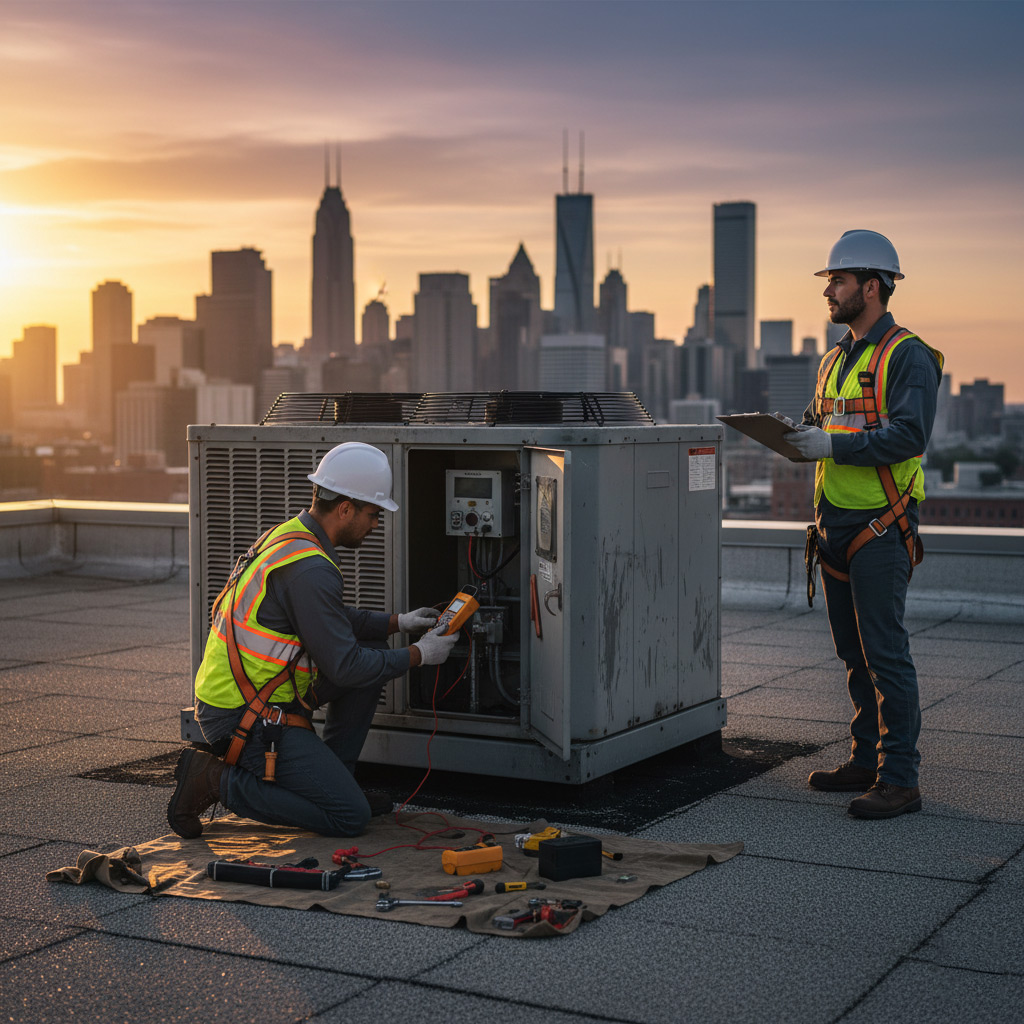
You’ve tried the quick fixes, checked the basics, and still, that refreshing blast of hot water is nowhere to be found. This is often the point where calling a professional isn't just a good idea; it's a necessity for your safety and home comfort. If your troubleshooting steps haven't worked, or if you're facing specific critical issues, it's time to bring in the experts.
Don't hesitate to reach out to a Fort Worth water heater repair specialist if you notice any of these serious red flags. Ignoring these could lead to bigger problems, costly damage, or even safety hazards.
- Persistent Leaks: A steady drip or puddle around your water heater can indicate a failing tank or connections. This needs immediate professional assessment to prevent significant water damage.
- No Hot Water After Resetting: If you've tried resetting the thermostat or pilot light and still have cold showers, there's likely a more complex internal component failure at play.
- Strange Noises: Loud rumbling, popping, or banging sounds often signal sediment buildup in the tank, which reduces efficiency and can damage the unit over time.
- Sulfur or "Rotten Egg" Smell: This odor points to bacterial growth inside the tank, a problem that requires specialized cleaning or anode rod replacement.
- Discolored Water: Rusty or cloudy water coming from your hot taps can mean your tank is corroding from the inside out. This usually means your unit is nearing the end of its life.
- Pilot Light Issues (Gas Heaters): If your pilot light repeatedly goes out or won't stay lit, it could be a thermocouple or gas valve problem – issues best left to a certified technician for safety.
Attempting DIY fixes for these kinds of problems can be dangerous and might void warranties or cause further damage. Professionals have the specialized tools, diagnostic equipment, and training to safely identify and repair complex electrical, gas, and plumbing issues. They ensure the job is done right, restoring your hot water quickly and effectively, giving you peace of mind.
To Repair or Not to Repair? Understanding Your Options
When your Fort Worth water heater kicks the bucket, you're faced with a classic conundrum: patch it up or replace the whole thing? This isn't just about money right now; it’s about what makes sense for your wallet and your hot water needs moving forward.
Making the right call often boils down to a few key factors. Consider the age of your current water heater – if it's pushing a decade or more, especially beyond its typical 10-12 year lifespan, repair might just be throwing good money after bad. We'll assess the immediate repair cost versus the potential for future breakdowns.
Sometimes, a simple part replacement can buy you several more years of reliable service, which is often the most cost-effective solution. However, if multiple components are failing, or if you're looking at a unit that’s constantly guzzling energy, replacement often offers long-term benefits:
- Energy Savings: New models are significantly more efficient, slashing your utility bills.
- Reliability: Enjoy years of worry-free hot water.
- Modern Features: Options like tankless heaters or smart controls can upgrade your entire home experience.
Our technicians give you the straight talk, helping you weigh the pros and cons to make a smart decision for your home.
Case Study: Fort Worth Homeowner's Rapid Water Heater Restoration
Meet Sarah, a busy mom in West Fort Worth. One chilly Tuesday morning, her shower went ice cold mid-lather. Her gas water heater, barely five years old, had completely given up. With two kids needing baths and a mountain of laundry piling up, Sarah faced a genuine hot water emergency.
She called us, explaining her immediate need. Our certified technician, Mike, arrived within hours. A quick diagnostic revealed a faulty pilot assembly – a common issue that can stop hot water dead in its tracks. Mike had the necessary parts on his truck, ensuring no wasted time waiting for deliveries.
Within ninety minutes, Sarah's water heater was firing up again. She tested the hot water tap, smiled, and breathed a sigh of relief. This wasn't just a repair; it was restoring comfort and order to her household, allowing her to get back to her day without a major disruption. That's the kind of rapid, reliable service you deserve when your hot water vanishes.
Keeping the Heat On: Proactive Maintenance for Your Water Heater
You wouldn't drive your car for years without an oil change, right? The same logic applies to your water heater. Ignoring it until it breaks is a surefire way to invite unexpected cold showers and a significant dent in your wallet. A little proactive care goes a long way in Fort Worth, saving you from future headaches and emergency repair costs.
Regular maintenance is the secret weapon against unexpected breakdowns and extends the lifespan of your unit. Think of it as preventative medicine for your home's hot water supply. Simple tasks can make a huge difference, like checking for leaks or draining sediment, but sometimes you need a pro.
DIY Checks vs. Professional Service
- Drain the Tank: Sediment build-up is a silent killer for water heaters. Annually flushing your tank helps remove mineral deposits that reduce efficiency and can lead to premature failure. This is something many homeowners can handle with a little guidance.
- Inspect the Anode Rod: This sacrificial rod prevents corrosion in your tank, but it wears out over time. Checking and replacing it every few years can add years to your water heater's life. This task often requires a professional touch.
- Check for Leaks: Regularly inspect the base of your heater and connections for any signs of water. Catching a small leak early can prevent a major flood and expensive damage later.
While some basic checks are within a homeowner's reach, a professional HVAC technician brings an expert eye. We can spot subtle issues, test critical components like the thermostat and pressure relief valve, and ensure everything is running at peak performance. This quarterly or annual check-up isn't an expense; it's an investment in reliable hot water and peace of mind.
Summary
Ultimately, a reliable supply of hot water isn't a luxury in your Fort Worth home; it's an absolute necessity. When your water heater goes on the fritz, it doesn't just disrupt your morning shower; it impacts your entire daily routine, making even simple tasks feel impossible.
Understanding common issues and performing quick troubleshooting can certainly help, but knowing when to call in the professionals is paramount. Our team is ready to diagnose and fix everything from minor glitches to major breakdowns, ensuring your comfort is swiftly restored.
Don't let a failing water heater leave you in the cold. Take proactive steps through regular maintenance, and trust the experts for prompt, effective water heater repair when problems arise. Keeping your heat on means keeping your life running smoothly, and that's exactly what we help Fort Worth families achieve.
People Also Ask
What are the most common reasons for no hot water in Fort Worth?
Common issues include a faulty thermostat, a tripped circuit breaker for electric heaters, or a pilot light outage for gas models. Sediment buildup and a leaking tank are also frequent culprits that can disrupt your hot water supply.How quickly can I expect a technician for water heater repair in Fort Worth?
Many reputable Fort Worth HVAC companies offer same-day or emergency services for urgent water heater repairs. Response times can vary, but most aim to address your hot water issues as swiftly as possible to restore comfort.Should I repair or replace my old water heater in Fort Worth?
The decision depends on your water heater's age, the severity of the problem, and the cost of repair versus a new unit. If your unit is over 10-12 years old or experiences significant leaks, replacement often proves more cost-effective long-term.What can I do to troubleshoot my water heater before calling a professional?
For electric heaters, check your electrical panel for a tripped breaker. For gas models, ensure the pilot light is ignited. Also, verify that your thermostat is set to the desired temperature before assuming a major issue.What are the signs my Fort Worth water heater needs immediate professional attention?
Signs include a complete absence of hot water, visible leaks around the tank, unusual banging or popping noises, or rusty-colored water. These symptoms typically indicate a serious problem requiring prompt expert diagnosis and repair.
Fort Worth HVAC provides trusted heating and cooling services across the Fort Worth area. Our team brings seasoned experience to every project, ensuring reliable comfort solutions for local homes and businesses.
Need HVAC?
We provide efficient solutions and rapid results for clients throughout Fort Worth and its surrounding communities (76102, 76107, 76109, 76132).
Request a Detailed Quote